7 Key Points for Observing the Piecing Rhythm of Magnetic Tiles : The Dangerous Moments When Children Are Most Likely to Lose Interest

I. Hidden Reasons for the Loss of Interest in Building
In children’s creative education, magnetic tiles, as a colorful and tactile building material, can quickly capture children’s attention. However, in actual observation, even the most interested children may lose interest during the building process. This loss of interest is often not a sudden change in behavior, but rather a result of an imbalance between the child’s internal cognitive and psychological rhythm and the challenge of the activity. Children may gradually reduce their engagement due to the difficulty of the activity, unclear goals, attention fatigue, or emotional frustration.
The underlying reasons for loss of interest in magnetic tiles mainly include a mismatch between task difficulty and pace, and a lack of immediate feedback. When the building goal is too complex or the magnetic tiles are difficult to assemble successfully, children experience frustration, which reduces their motivation to continue.
Simultaneously, if the pace of magnetic tile play doesn’t align with the child’s thought process, or if the light, shadow, and color variations are insufficient, the child’s sensory stimulation gradually decreases, naturally leading to a decline in interest. Parents and teachers need to be keenly aware of these subtle changes during observation, understand the underlying reasons for the loss of interest in magnetic tiles , and adjust building strategies and pace accordingly.
II. The Interplay Between Attention Length and Fatigue
Children have limited attention spans, especially during extended magnetic tile building activities, where fatigue and decreased attention occur simultaneously. This is the critical moment when children are most likely to lose interest. Studies show that preschool children typically have a continuous attention span of about 10 to 15 minutes, while lower elementary school students have about 20 minutes. When a building task exceeds this time without breaks or reward objectives, the child’s pace gradually slows down, their building movements become less precise, the stability of the structure decreases, and ultimately, interest is lost.
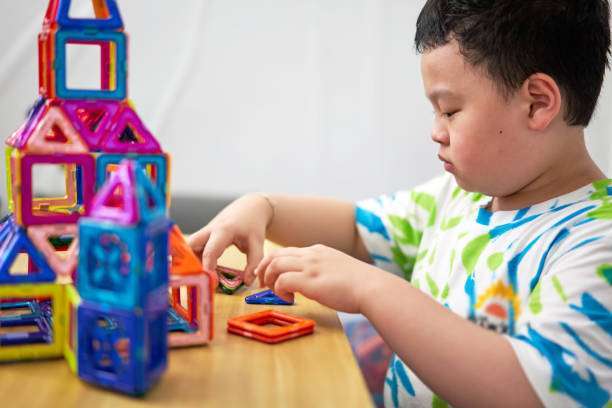
In magnetic tiles building, this phenomenon manifests as children starting to randomly piece together tiles, repeating similar actions, or quickly giving up when they encounter difficulties. Teachers and parents can delay fatigue by setting phased goals, introducing micro-circulation rhythms, or providing short breaks. For example, when building a multi-story tower with magnetic tiles , set small goals for every two floors, allowing children to rest or observe the light and shadow effects after completing each floor before moving on to the next. This approach protects children’s attention spans and maintains a high level of interest.magnetic tiles.
III. Matching of Operational Difficulty and Challenge
The difficulty of a building task is a significant factor influencing a child’s interest. When the difficulty of the task doesn’t match the child’s ability, whether it’s too difficult or too easy, it will lead to a loss of interest. If the building is too simple, the child will complete the task quickly, lacking sustained challenge, and their pace will naturally become loose, resulting in decreased interest. On the other hand, if the task is too complex, the child will frequently encounter failure or structural collapse, leading to accumulated frustration and the depletion of patience and interest.
magnetic tiles lies in their ability to be freely combined and their difficulty adjusted. Teachers and parents can choose appropriate structural goals and building methods based on the child’s age, manual dexterity, and cognitive level. For younger children, they can start with basic geometric shapes and gradually transition to multi-story towers or arched bridge structures; for older children, complex light and shadow combinations or free creative spaces can be designed to keep children engaged and focused while providing a challenge. By dynamically adjusting the match between difficulty and pace, the risk of losing interest can be effectively delayed or avoided.
IV. Structural Failure and Lack of Immediate Feedback
In the magnetic tiles process of building magnetic tiles , structural failure is a high-risk factor for decreased interest. When a child’s tower or bridge collapses, the lack of immediate positive feedback and guidance can easily lead to accumulated frustration. This is especially true for children with low patience and self-control, whose rhythm becomes disrupted after a structure collapses, causing their interest to drop rapidly.
To avoid this danger, teachers and parents should provide immediate feedback and emotional guidance. For example, after the tower collapses, children can be encouraged to analyze the reasons and propose feasible improvement plans.
They can also be guided to observe the changes in light and shadow during the collapse, turning failure into an opportunity for learning and exploration. Through positive guidance, children can maintain their mental rhythm when facing failure and continue engaging in the building activity, thus avoiding a loss of interest.
Immediate feedback includes not only adult guidance but also the inherent characteristics of magnetic tiles themselves. For example, the tactile sensation of magnetic tiles adhering smoothly and their structural stability provide children with small, satisfying experiences. This feedback can stimulate children’s desire to continue exploring, maintaining their pace and level of interest.

5. Insufficient or monotonous sensory stimulation
magnetic tiles lies in their rich colors and variations in light and shadow. However, if children’s sensory stimulation is insufficient or the activity becomes monotonous during extended building sessions, their interest can easily wane. When the color combinations of magnetic tiles are repetitive, the light and shadow effects are not obvious, or the operational structure is too simple, children experience less sensory feedback, their pace of play slows down, and their attention gradually wanders.
To address this, teachers and parents can increase sensory stimulation by guiding children to experiment with different color layering, adjusting the angle of the light source, or building diverse structures. For example, children can observe changes in light and shadow from different angles, or create colorful light spots by combining magnetic tiles with different transparency and colors .
This variation maintains the diversity of sensory stimulation, sustains the pace of the activity and the level of interest, and keeps children engaged throughout the building process.
VI. Imbalance in team interaction and cooperation
In scenarios where multiple children are engaged in building activities simultaneously, the pace of team interaction can also affect their interest. Children need to coordinate their movements and share resources during team building. If the team’s pace is unbalanced—for example, if one child is too impatient, another is slow, or there is competition for resources—some children will lose their rhythm, thus reducing their interest and patience.
Teachers and parents should pay attention to balancing the pace of interaction during team activities. This can be achieved through role-playing, phased tasks, and rotating shifts to ensure every child has a chance to participate while maintaining a stable overall building rhythm. By balancing the team’s pace, children not only maintain their interest but also learn communication, collaboration, and a sense of rhythm through cooperation, which is equally important for developing social skills and self-regulation abilities.
VII. Mismatch between external disturbances and environmental rhythm
Environmental factors significantly impact children’s interest in building magnetic tiles . External distractions such as noise, frequently moving adults, and other children can disrupt a child’s rhythm, diverting their attention and decreasing their interest. Furthermore, insufficient lighting or unfavorable light sources can reduce the visual feedback of building magnetic tiles , thus affecting the pace of play and the sense of accomplishment.
Strategies for optimizing the environment’s rhythm include choosing a quiet, well-lit space, providing sufficient work surface and building area to ensure children can work continuously without interruption. Simultaneously, music, timers, or rhythm-guided tools can help children establish a stable mental rhythm during activities, reducing the impact of external distractions on their interest. Optimizing the environment’s rhythm is crucial for extending attention span and maintaining interest in activities.
VIII. Comprehensive Application and Observation Recommendations
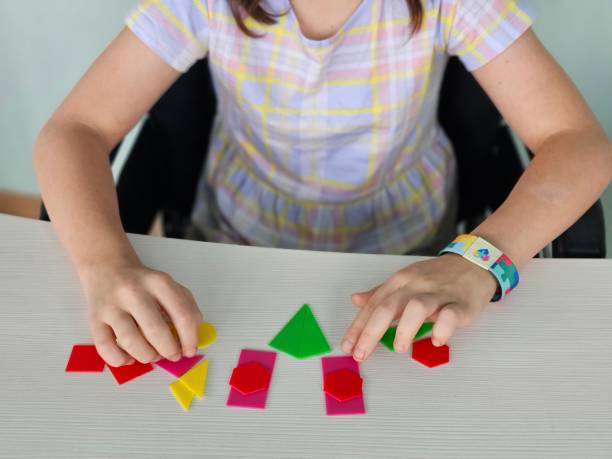
magnetic tile building activities, seven dangerous moments of lost interest encompass multiple dimensions, including cognitive, psychological, sensory, and environmental aspects. Parents and teachers can observe and intervene in practice through the following methods: First, pay attention to changes in the child’s attention span and operational rhythm, introducing breaks or micro-refreshing goals promptly. Second, ensure the task difficulty matches the child’s ability, avoiding tasks that are too difficult or too easy.
Third, provide immediate feedback and emotional guidance when structures fail or collapse, turning failure into learning opportunities. Fourth, maintain sensory stimulation through rich color combinations, light and shadow effects, and structural diversity. Fifth, balance the pace of interaction in team building to ensure every child feels involved. Sixth, optimize ambient lighting, spatial layout, and interference control to establish a stable operational rhythm for children. Seventh, guide children to develop self-monitoring and psychological rhythm, extending the duration of interest through observation, adjustment, and reflection.
By focusing on these seven key observation points, teachers and parents can promptly identify warning signs of declining interest during children’s building activities, adjust strategies and pace, and allow children’s concentration and patience to naturally accumulate through play. At the same time, these points also provide a practical framework for children’s education, making building activities not only creative play but also an important tool for developing cognitive, psychological, and social skills.
IX. Conclusion
Magnetic tile building activities are not only a process of creating colors and structures, but also a rhythmic cognitive and psychological training. Loss of interest is the most common challenge children encounter during the building process, but by focusing on seven key observation points, teachers and parents can intervene in a timely manner to maintain the rhythm and concentration of the activity, allowing children to gain a sense of accomplishment, patience, and creativity through building . Its operability and visual feedback characteristics make it an indispensable tool in children’s spatial education and cognitive training, providing a practical basis for cultivating children’s concentration and maintaining their interest.
FAQ
Q1: Which type of children are magnetic tile building activities suitable for? Magnetic tile building activities
are suitable for preschool to lower elementary school children, especially those who want to improve their concentration, patience, hand-eye coordination, and spatial awareness. For lower grades, basic structures can be designed, while for higher grades, complex lighting and creative combinations can be introduced.
Q2: How can teachers and parents identify the dangerous moments of loss of interest?
They can judge by observing the rhythm of operation, the duration of attention, the precision of hand movements, emotional expression, and reactions to changes in light or color. When children exhibit disordered operation, random splicing, or irritability, it often means that their interest is declining.
interest
in building magnetic tiles? By setting segmented goals and micro-cycle rhythms, providing immediate feedback, enriching color and light and shadow combinations, balancing team interaction, and optimizing environmental distractions, we can help children maintain their operational rhythm and interest, thereby prolonging the training effect of concentration and patience.