magnetic tiles safe? In-depth analysis of magnet encapsulation and child-friendly standards.

I. Why the Safety of Magnetic Tiles Matters:
Magnetic tiles are a toy that combines interlocking building blocks with the aesthetic appeal of light and shadow. While building, children not only develop spatial awareness and creativity but also experience the beauty of color through changes in light and shadow.
However, these seemingly simple plastic tiles conceal several potential risks: excessively strong or exposed magnets may pose a swallowing hazard; rough edges may scratch the skin, and inferior materials may even release harmful substances. Toy industry safety standards may seem complex, but their essence is to address these potential hazards. Understanding the logic behind these designs can help parents make more informed purchasing decisions.
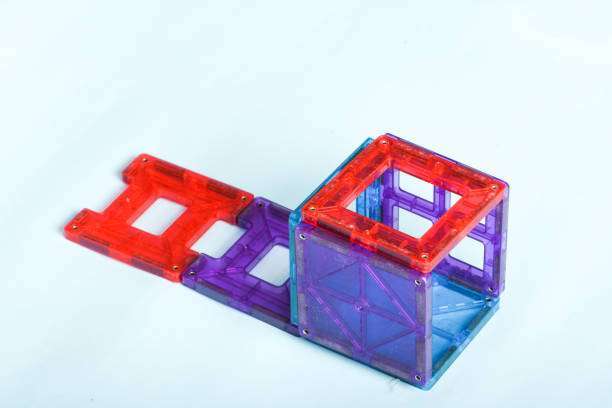
II. Magnet Encapsulation: A Hidden Key Defense
The magnetic attraction of magnetic tiles comes from embedded neodymium iron boron magnets. The strength of this attraction directly affects the stability of the assembly, but it also poses a safety hazard—if a magnet falls off, a child could swallow it, potentially causing gastrointestinal perforation, a risk of great concern to the medical community.
High-quality magnetic tiles typically use a “double-layer encapsulation + ultrasonic welding” method.
The outer shell is made of high-strength ABS or food-grade PC plastic, and the magnet is completely encased in an independent cavity. The outer layers are welded together at high temperatures to form a single structure. Some high-end products also add “physical clips” at the weld joints, making them less prone to detachment even after prolonged use or drops. Conversely, cheaper versions often rely solely on glue; once they age or are heated, the magnet may loosen or fall out. Therefore, the most direct way to determine the safety of a magnetic tile is to gently shake it. If you can hear the magnet moving inside, it’s a potential risk signal.
III. Edge Treatment: Design Considerations for Scratch and Biting Damage Prevention The edges of
Magnetic tiles are often overlooked, but they are actually the second most important safety feature. High-quality products undergo “rounded corner polishing,” meaning the edges are mechanically or manually polished after molding to ensure a smooth feel and eliminate sharp corners.
This not only prevents children from being cut during assembly but also prevents oral scratches caused by biting.
It’s worth noting that transparent stained-glass designs need to maintain light transmission, so the edge polishing process is even more meticulous—removing rough edges without affecting light refraction. This type of process often means higher production costs and is a significant dividing line between brand quality and quality.
Parents can check the smoothness by touching the edges or observing the magnetic tiles against the light for defects such as bubbles, burrs, and color differences; these are typical signs of low-quality injection molding.
IV. Safety Standards for Children: From an international certification perspective,
Magnetic tiles are classified as magnetic building toys for children, and strict safety certification standards exist in various countries. For example:
The European EN71 standard requires that magnets must be securely sealed and not detach during mechanical testing.
The American ASTM F963 standard tests various aspects, including small parts, magnetic strength, and material toxicity.
China’s GB 6675 standard requires that the attractive force between magnets not exceed a specific value to prevent swallowing accidents.
Qualified products usually display certification marks (such as CE, CPSIA, CCC, etc.) on their packaging. When purchasing, parents should try to choose reputable brands that include age recommendations and testing information and avoid bulk products of unknown origin.
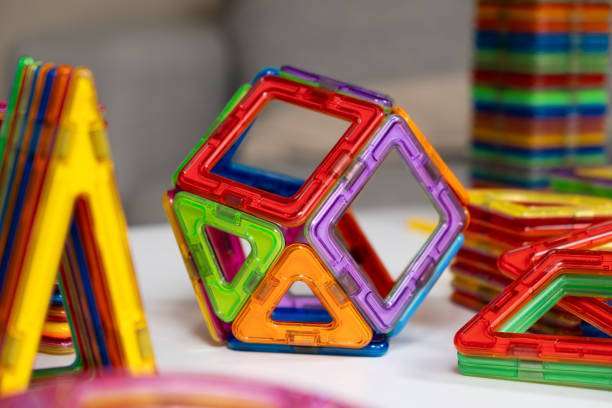
V. Parental Safety Measures During Use
Even if the toy itself is designed to be safe, the way it is used is equally important. Parents should ideally follow these habits when their children use magnetic tiles :
Avoid letting children under 3 years old play alone : children in this age group still have the habit of biting and swallowing.
Regularly check the integrity of the magnetic sheets , especially at the seams and weld lines for looseness or cracks.
Avoid exposure to high temperatures or soaking during cleaning : prolonged exposure to high temperatures will damage the plastic’s seal and reduce welding strength.
Use separately from other magnetic toys : Mixing toys with different magnetic strengths may cause an imbalance in attraction or accidental attraction.
VI. Conclusion: Safety is a Designed Trust. The charm of
magnetic tiles lies in their combination of “scientific magnetic principles” and “artistic light and shadow experience,” while true safety comes from the designers’ meticulous attention to micron-level encapsulation precision and material selection. When purchasing, parents should not only consider the appearance and playability but also pay attention to the unseen aspects—that seemingly ordinary plastic shell is the true barrier protecting children’s safety.
Safety is not a gimmick but the fundamental quality logic of a brand. Understanding this explains why some magnetic tiles are worth the higher price.