Magnetic Tiles Beginner’s Guide: Structural Principles, Material Characteristics, and Play Methods

Magnetic tiles are a type of building toy that combines magnetism, geometry, and light and shadow. On the surface, they appear simple—a few pieces of colored, transparent plastic that attract each other at their edges—but behind them lies a whole set of engineering, educational, and psychological logic. For beginners, understanding their structure and how to play is the first step into this “magnetic world.”
I. Understanding the Essence Through Structure: The Combination of Magnetism and Geometry
magnetic tiles is their “magnetic structure.” Each tile’s plastic frame contains multiple permanent magnets. These magnets are typically evenly distributed along the edges, ensuring that each edge aligns with the magnets of other tiles, allowing for magnetic attraction. Unlike traditional building blocks, their connection doesn’t rely on snap-fit or interlocking joints, but rather on the magnetic poles automatically finding their balance.
In terms of geometric design, each shape of magnetic tile has a specific function:
The square is the basic unit used to build planes and walls;
An equilateral triangle can form a more stable three-dimensional structure.
Special shapes such as rectangles and pentagons make the assembly more diverse and complex.
This “magnetic + geometric” design transforms the assembly process from a physical activity into a mental exercise about symmetry, angles, and balance.

II. Materials Determine Experience: Transparent Plastics and Encapsulation Processes
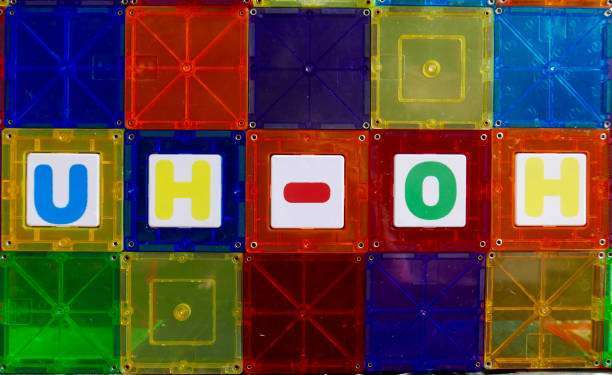
magnetic tiles comes from its material—highly translucent plastic (commonly ABS or PC). This material is characterized by its durability, resistance to deformation, and excellent light transmission. When children play in sunlight or under artificial light, they will see the changing light and shadow created by the overlapping colors, making the building process more engaging.
Safety comes from the packaging process. The magnet is completely sealed in plastic, with rounded edges to avoid the risk of cutting hands or swallowing. Truly high-quality magnetic sheets use ultrasonic welding at the sealing edges to ensure that the magnet will not fall off even after years of use.
III. Gameplay Basics: The Logical Transition from 2D to 3D
The basics of playing with magnetic tiles can be divided into two stages:
1. For beginners in the flat puzzle stage
(especially children aged 3-5), they can start with simple flat combinations, such as building the front of a house, the sun, or animal patterns. The focus at this stage is not on the final result, but on recognizing shapes, matching colors, and experiencing the magnetic feel. Children will gradually understand the concepts of “alignment,” “symmetry,” and “angle.”
2. 3D Building Stage:
Once children are familiar with the magnetic relationships between the tiles, they can begin to build 3D structures, such as cubes, pyramids, and spheres. At this stage, structural stability becomes crucial. Children need to learn how to lower the center of gravity and make the fulcrum more stable; this is essentially understanding “mechanics” through play.
From an educational psychology perspective, this process from two-dimensional to three-dimensional is the natural path for the development of spatial awareness and logical ability.

IV. The Learning Value of Magnetic Tiles
Magnetic tiles are more than just toys; they have educational value on multiple levels:
Hands-on coordination: Assembly requires hand-eye coordination and precise operation.
Logical thinking: A way of thinking that moves from the part to the whole is naturally formed in each construction process.
Aesthetic development: The visual effects of light transmission and layering can help children develop sensitivity to color and light.
Psychological growth: The process of structural collapse and reconstruction is a good opportunity for children to practice their resilience to setbacks.
Many families create light and shadow installations on balconies, windowsills, or under lights, allowing children to understand the concepts of “structural beauty” and “balance” through the flow of light and color.
V. Conclusion: From Understanding to Creation
Magnetic tiles lie not only in their attraction and arrangement but also in their ability to allow children to explore the shapes and patterns of the world in the most natural way. They are both a toy and an educational medium—without external guidance, children can understand the interconnectedness of the world through magnetic attraction.
For beginners, once they understand its structural logic, material properties, and ways to play, the world of magnetic tiles will unfold from a two-dimensional plane into a three-dimensional space full of light and creativity.